
Here are Part 1 and Part 2 in this series, in case you want to read them first.
I didn’t know food was such a controversial topic. I knew people had different opinions about certain things—that some people believe organic food is worth the extra cost and others don’t. More people are avoiding gluten these days and plenty of people are still anti-carb. Obviously, McDonald’s is bad for us, but don’t we all love a hot cheeseburger, especially on a 59 cent Wednesday? Overall I assumed I couldn’t go wrong with a low fat diet, especially if I didn’t eat too much.
Then about a year ago a friend mentioned Weston A. Price. I looked him up and learned he was a holistic dentist who spent the 1920s and ‘30s traveling the world studying “primitive” people who thrived on all-natural diets and then deteriorated once they adopted modern diets which included plenty of refined sugar, flour, and canned foods. I stumbled onto the website of the Weston A. Price Foundation, and learned there is a large group of people today who think soy products and vegetable oils are toxic and who believe we should regularly consume cod liver oil, raw dairy, and whenever possible, organ meats. These people don’t connect saturated fat or cholesterol with disease of any kind and consider butter a health food.
Crazy, right? Price and his following quickly faded from my mind.
Then a few months ago I read Michael Pollan’s The Omnivore’s Dilemma. It explains how America’s food industry works. Most of the information was new to me. I had no idea how much corn and corn products are in our food or that most of the meat in the grocery store comes from animals who also eat corn, even though that’s not what their bodies are built to digest. Apparently, corn is cheap and easy to grow and fattens animals quickly. It can also make them sick, which is why so many of them need antibiotics.
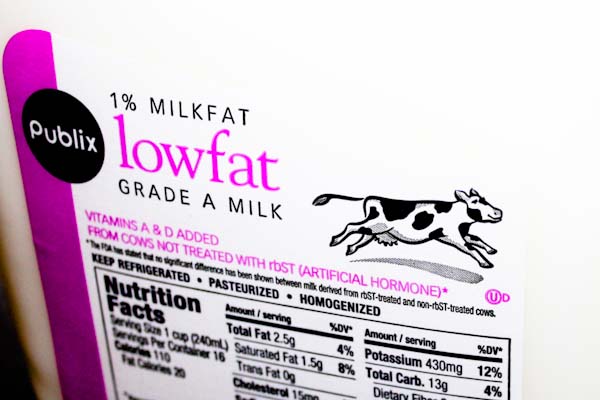 The more I read, the more I was struck by how artificial our food is. It’s understandable when you’re buying Lucky Charms, but what about the basics? I always assumed milk was milk, and that skim milk was just milk minus the fat. (It’s not.) When I pick up a gallon of milk, I picture a cow in a field that spends a couple hours a day in the barn getting milked. Don’t most milk containers have the image of a happy cow on them? To be honest, I didn’t think about it much. I figured the cows, pigs, and chickens that provide food for us weren’t living in luxury, but I didn’t know just how miserable their lives really are. Or that the stress they endure from their manufactured diets and habitats lowers the nutritional quality of the food they produce.
As soon as I finished The Omnivore’s Dilemma, I picked up Pollan’s next book, In Defense of Food. In it, Pollan mentions Price and several other researchers from the 1920s and 30s who studied isolated groups of people that had not been exposed to the Western diet. “They compiled lists,” Pollan writes, “of the common diseases they’d been hard pressed to find in the native populations they had treated or studied: little to no heart disease, diabetes, cancer, obesity, hypertension, or stroke; no appendicitis, diverticulitis, malformed dental arches, or tooth decay; no varicose veins, ulcers, or hemorrhoids.”
I might have known junk food contributes to poor health, but it never occurred to me that it might cause a problem like varicose veins. Or even tooth decay, really. I thought that happened because we don’t floss enough. But the people Price studied didn’t even have toothbrushes and most of them had no decay in their teeth at all. I honestly can’t imagine our country without heart disease or cancer. Are all these issues caused primarily by our diet? It seems too simple to be right.
At the same time, it seems arrogant to think we can live on processed food loaded with additives, cover our produce with chemicals, and treat our animals so carelessly without facing any consequences.
So are you wondering if I’ve decided to feed my family cod liver oil and organ meats?
To Be Continued
13 comments for “Food: Part 3”